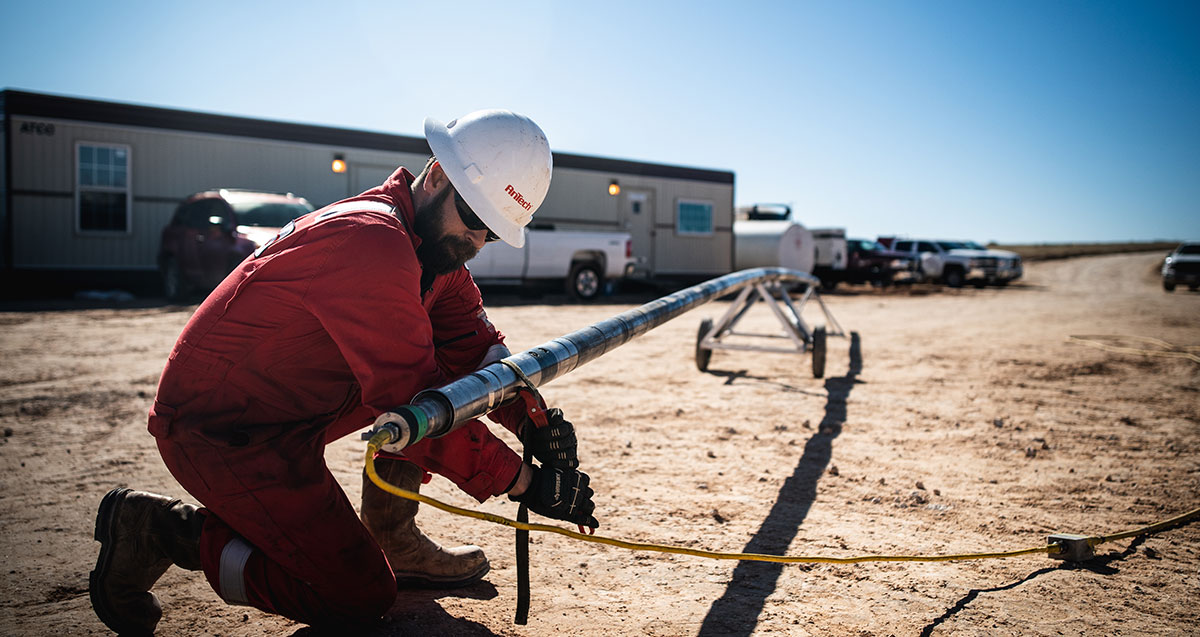
Clare Miszewska knows a lot about the innovative use of technology in the energy industry. Alongside her brother, she is co-CEO of AnTech, offering proprietary solutions within the global energy sector. AnTech provides specialist Coiled Tubing Drilling (CTD) services, delivering a safer and faster continuous pipe drilling alternative to conventional drilling methods.
I spoke to her about the important role traditional energy technologies play in enabling the renewable energy transition, and how AnTech’s existing capabilities can be applied to emerging sectors such as geothermal energy, hydrogen, and carbon capture and storage (CCS).
How Existing Technologies Can Facilitate the Energy Transition
Clare began our conversation by making it clear that existing AnTech technology has multiple applications across both the oil and gas industry and renewable energy sectors. She is enthusiastic about the potential use of AnTech drilling technology across four out of five developing energy transition markets:
‘We can use our directional drilling services for things like geothermal drilling and well electronics, carbon capture and storage, and hydrogen projects. It’s all the same technology that we already have, so a lot of the focus in these conversations with potential clients is that we don't need to reinvent anything.’
She added that AnTech drilling tools can also be used to mine critical minerals essential to battery storage systems, a key component of the clean energy transition.
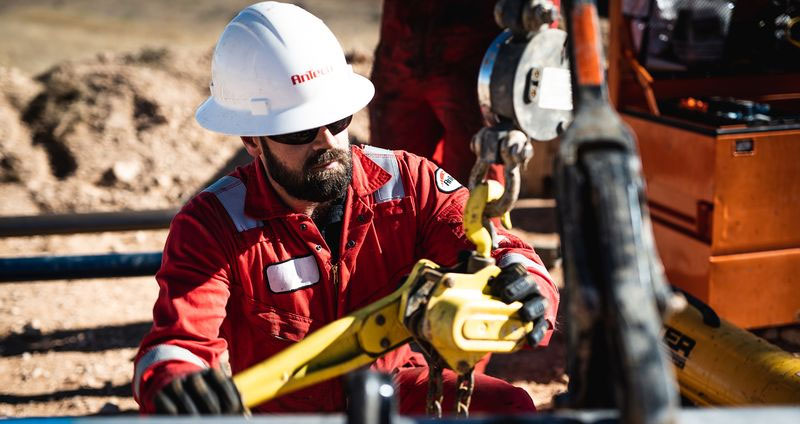
A core focus of AnTech’s drilling technology is the revitalisation of existing oil and gas wells, significantly reducing the need for new exploration. CTD delivers a smaller environmental footprint, and Clare highlights that drilling fluids are fully contained within a closed-loop system.
Although a strong supporter of the transition to renewable energy, she is also realistic about the continued demand for fossil fuels:
‘There's still going to be a small proportion of fossil fuels that will be needed even when we reach Net Zero. It's about managing the energy transition internally within the business to ensure we are supporting the industry in as many ways as we can.’
Clare also discussed how AnTech is an industry leader in the supply of wellhead outlets for monitoring oil and gas wells. This technology is increasingly relevant for Net Zero initiatives, with customers beginning to adopt it for CCS (carbon capture and storage) projects.
Raising Awareness of the Different Uses of Existing Energy Technology
AnTech has a well-established product range designed for the oil and gas sector. Clare is keen to highlight how these existing technologies can support companies working towards the energy transition.
She welcomes increased media attention on the shift to a greener future and wants to raise awareness of how established energy technologies can be repurposed. A major benefit of this approach is cost efficiency, as it avoids the need to develop entirely new solutions:
‘It’s mature technology, but what is new is people’s understanding of how it can be used in the energy transition. You don’t have to reinvent anything to achieve the results you are hoping for.’
Our conversation moved on to the specific areas within the energy transition where AnTech’s product portfolio can be applied. She explained that her team is learning alongside customers as demand grows for wellhead outlets in hydrogen and carbon storage projects:
‘In normal oil and gas environments, where they are used all the time, it's quite easy to specify. The challenge we’re facing is that many customers don’t yet know the exact temperature and pressure specifications required.’
Hydrogen storage and CCS applications represent new territory for both AnTech and its clients. Clare described how her team supports customers in specifying the right solutions for these emerging energy applications. She also touched on the use of CTD drilling technology in geothermal energy projects.
The Importance of Cross-Sector Collaboration in the Energy Transition
Clare is particularly passionate about raising awareness of existing technologies already available within the energy market. She believes that the divide between the fossil fuel industry and renewable energy sector can limit collaboration and slow down progress in the energy transition:
‘It's often assumed that fossil fuels are bad, and that companies serving that market have nothing to contribute. Some people don’t want to engage because you’re part of the oil and gas industry, but there is limited awareness of how that technology could be adapted to support the transition.’
For this reason, Clare is focused on increasing the visibility of AnTech’s capabilities, while fostering collaboration across sectors.
Another key priority is building partnerships with local councils and organisations working on energy transition projects. She is also committed to engaging with companies driving progress in geothermal energy, hydrogen, and CCS, positioning AnTech to participate in future energy transition tenders.
Our conversation ended on a final note about the importance of collaboration across the energy industry:
‘There are a lot of people in the oil and gas sector who have the expertise to contribute to new areas, and we mustn’t shut that off.’
To view the full article, please visit Sustainable Business Magazine and if you would like any further information or would like to know more about AnTech Ltd then please contact us.