A recent report from the International Energy Agency (IEA) has delivered a clear message to the energy industry: even maintaining today’s oil and gas production levels will require continued investment. Global decline rates in existing fields are accelerating, and without reinvestment and the intelligent application of proven technologies, supply shortfalls could emerge far sooner than many anticipate.
This insight reinforces an important reality about the energy transition. While reaching net zero is essential, it is not a simple or linear journey. The world remains heavily reliant on oil and gas, and even under the most ambitious decarbonisation scenarios, a significant level of supply will be required for decades to come. Current estimates suggest that around 20% of today’s oil and gas output will still be needed by 2050 to meet global energy demand.
The challenge, therefore, is not whether oil and gas will continue to play a role, but how existing resources are managed responsibly while the transition to a lower-carbon energy system accelerates.
Decline rates are rising and the clock Is ticking
One of the most striking findings in the IEA report is the revised outlook on decline rates. Conventional oil fields are now declining at an average rate of 5.6% per year after reaching peak production, reflecting the natural limitations of maturing reservoirs. Unconventional resources, such as shale, typically decline even faster.
Without intervention, this creates a clear risk: supply could fall away more quickly than replacement capacity can be developed. The solution, however, is not simply drilling more wells or opening new greenfield developments. In many cases, the greatest opportunity lies in maximising production from existing assets.
Net zero does not mean abandoning existing supply
The IEA’s position on net zero has sometimes been misunderstood. While the agency has stated that no new oil and gas fields should be developed if the world is to meet net-zero targets, it has been equally clear that existing fields must continue to be invested in to maintain energy security.
This is not a contradiction; it is a pragmatic strategy. Prematurely abandoning producing fields would increase the risk of supply shortages, price volatility, and economic disruption. A more sustainable approach focuses on extending the productive life of existing wells, improving recovery, and doing so with minimal environmental impact.
Investing in existing infrastructure reduces emissions intensity, avoids the additional footprint of new developments, and supports a more stable transition pathway.
Proven technology, real impact
Meeting this challenge does not require a wholesale reinvention of energy technology. Many of the tools needed already exist and are proven in the field. What matters is how effectively they are deployed.
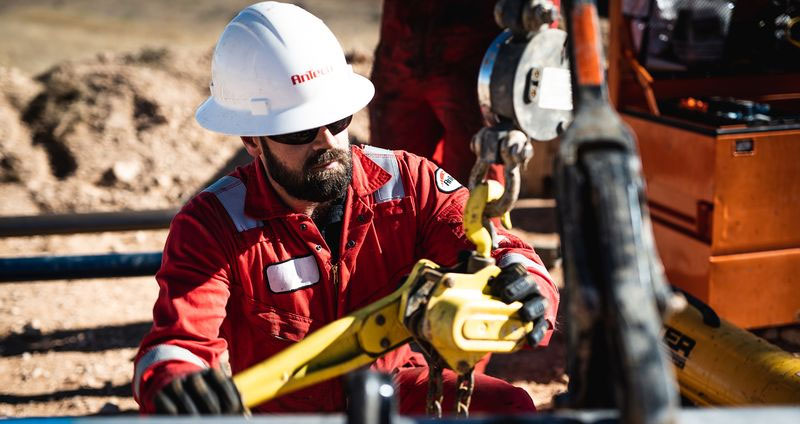
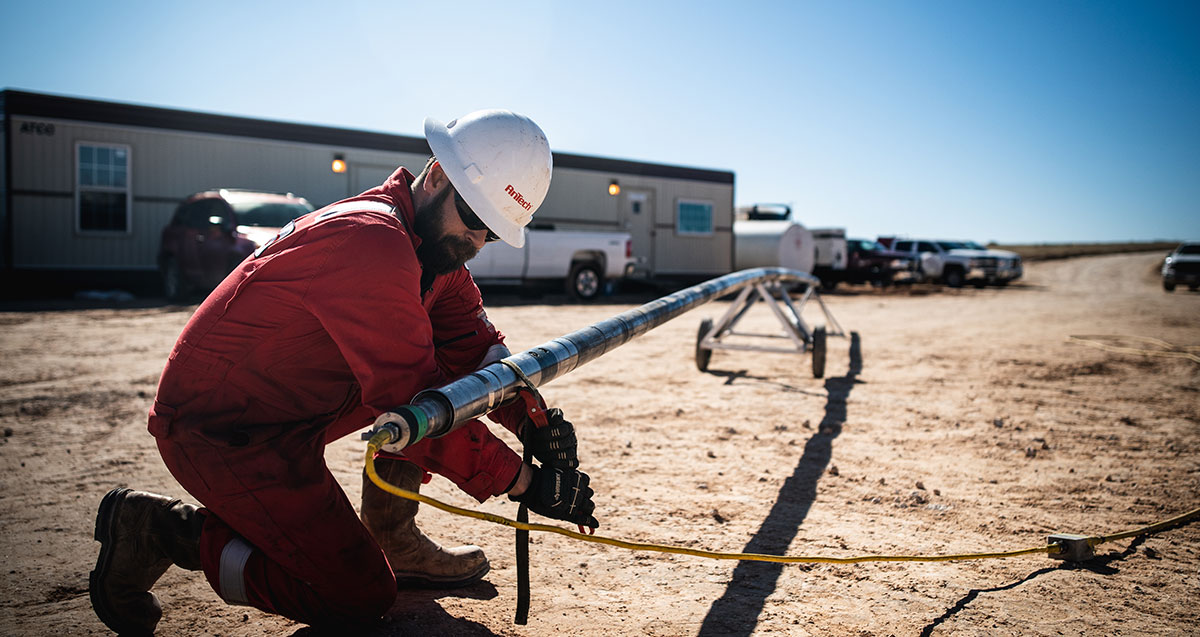
One example is Coiled Tubing Drilling (CTD), a core part of AnTech’s service offering. CTD enables operators to re-enter existing wells and drill new directional or horizontal sidetracks without mobilising a full drilling rig. This approach delivers several critical advantages:
· Increased recovery by accessing bypassed or depleted zones
· Improved economics, with lower costs compared to conventional drilling
· Reduced environmental impact by reusing existing wellbores
· Lower carbon footprint through lighter, faster, and less resource-intensive operations
By extracting more value from existing assets, CTD helps extend field life, boost supply, and reduce the need for new drilling, aligning operational efficiency with environmental responsibility.
Energy security and climate goals can move together
Too often, the energy transition is framed as a binary choice between fossil fuels and renewables. In reality, transitions of this scale take time, infrastructure, investment, and collaboration. Oil and gas companies are not obstacles to net zero; they are critical partners with the engineering expertise, operational experience, and global reach needed to support the transition.
For this collaboration to succeed, there must be better alignment between policymakers, industry, and technology providers. Focusing on shared objectives — secure energy supply, lower emissions, and responsible resource management is essential.
A balanced, realistic path forward
The urgency of the 2050 net-zero target is undeniable, yet global energy demand continues to grow, particularly in developing economies. Capital budgets are finite, which means investment decisions must deliver maximum economic and environmental value.
As the IEA highlights, prioritising existing fields is often the most efficient and least carbon-intensive option. Fully optimising current assets before developing new ones is not a compromise, it is a smarter, more responsible approach.
The message from the IEA is clear. Production decline is accelerating, and without continued investment, supply risks will increase. At the same time, net-zero ambitions remain non-negotiable. Existing fields, supported by proven technologies like CTD, are the bridge between these two realities.
Energy transitions are rarely smooth, but progress does not require ideological extremes. It requires practical thinking, proven solutions, and collaboration across the energy system. Demand for energy is not disappearing, but the technology to meet it more responsibly already exists.
At AnTech, we believe the future belongs to those who focus on practical, balanced, and sustainable energy solutions and who know how to make existing assets work harder, cleaner, and longer.
To view the full article, please visit: World Oil.
If you would like any further information or would like to know more about AnTech Ltd then please contact us.